

Blog
BCAA vs EAA: Which Amino Acid Supplement Do You Actually Need?

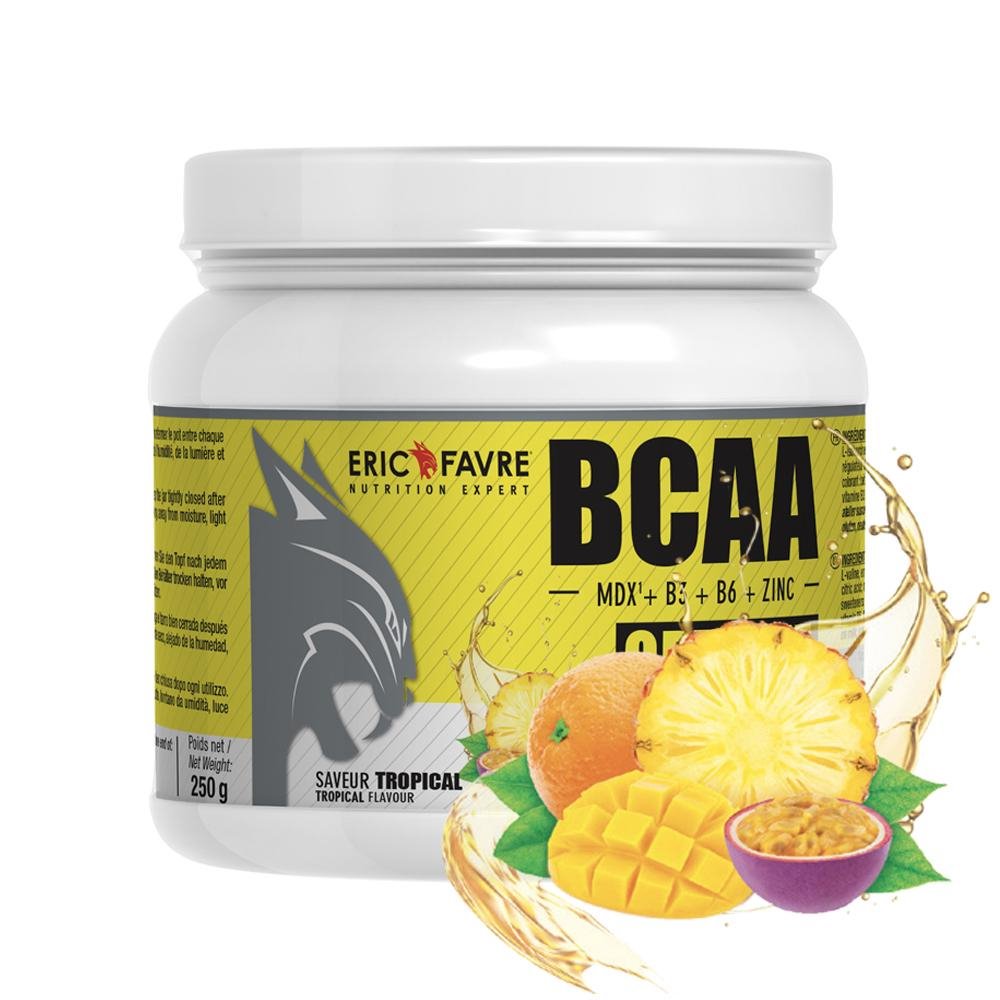
BCAAs were the gold standard for years, but EAAs have taken centre stage. Are BCAAs now obsolete? Let’s look at the science.
BCAAs: The 3 Branched-Chain Amino Acids
Leucine, isoleucine, and valine. Leucine directly activates mTOR — the master switch for muscle protein synthesis.
EAAs: All 9 Essential Amino Acids
The 3 BCAAs plus histidine, lysine, methionine, phenylalanine, threonine, and tryptophan. Your body cannot produce these — they must come from diet or supplements.
Why EAAs Are Winning
Key insight: leucine starts muscle protein synthesis but can’t complete it alone. Think of leucine as the ignition key — without the other 6 EAAs as fuel, the engine stalls.
A 2017 study showed muscle protein synthesis was 50% greater with EAAs compared to BCAAs alone at the same leucine dose.
When to Use EAAs
- During fasted training — provides all amino acids without a full meal
- Intra-workout sipping — sustains amino acid levels
- Between meals — prevents muscle breakdown during caloric deficits
- Vegetarian athletes — fills amino acid gaps in plant-based diets
Do BCAAs Still Have a Place?
If you consume enough protein (1.6g+/kg) and supplement with EAAs, standalone BCAAs offer minimal additional benefit. Your money is better spent on a comprehensive EAA formula.
What to Look For
- All 9 essential amino acids in clinical ratios
- High leucine content (2.5g+ per serving)
- Clean label — no fillers or artificial colours
- Good mixability for intra-workout sipping